End ALPR Mass Surveillance in Minnesota
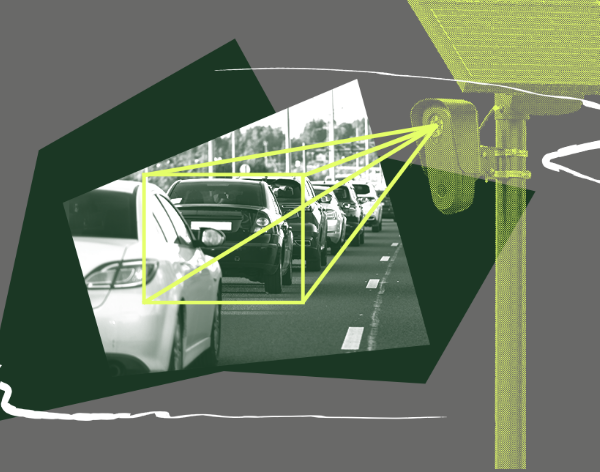
One ALPR can scan and record thousands of license plates in one minute. The devices can be programed to do everything from collecting tolls to automatically checking plates against various watchlists and alerting law enforcement whenever a match or “hit” appears. When the ALPR system captures an image of a license plate, it also tags each file with the time, date, and GPS location of the photograph.
The main problem with ALPRs is that they are not being used only to search for suspects, but also to keep records on the whereabouts of everyone. They are increasingly becoming a tool for mass location tracking and surveillance.
To make the problem worse, ALPRs are used not only by police but also by private companies, which themselves make their data available to police and federal agencies like ICE with little or no oversight or privacy protections.
The dangers of ALPRs are not hypothetical. We have already seen how this mass surveillance tool can be weaponized and abused by law enforcement. ICE and CBP have repeatedly used ALPRs to go after immigrants without warrants. Kansas police used them to pursue a man who wrote a critical op-ed about the department, while a Colorado police officer wrongfully accused a woman of theft based on a Flock hit and then refused to look at evidence proving her innocence. A mother and her children were held at gunpoint because ALPR cameras wrongly flagged their car as stolen.
The ACLU of Minnesota is standing up to ALPRs
This unprecedented spying is terrifying, but there's good news, too. Communities across the state and country are fighting back against these creepy cameras and winning.
The cities of Brooklyn Park, Columbia Heights, Duluth, and West St. Paul have canceled their contracts with Flock Safety, an ALPR company.
The ACLU-MN is working to regulate ALPRs across the state. During the 2026 Minnesota Legislative session, the ACLU-MN worked with partners to lay the groundwork for these regulations. In 2027, the ACLU-MN and our partners will return to the Capitol and work to pass ALPR regulations into law. Proposed legislation would:
- Ensure that ALPR data is not accessed, disseminated, or shared outside the state unless required by a court order or judicial warrant.
- Require every local law enforcement agency to maintain data sharing agreements with other law enforcement agencies that have access to their cameras.
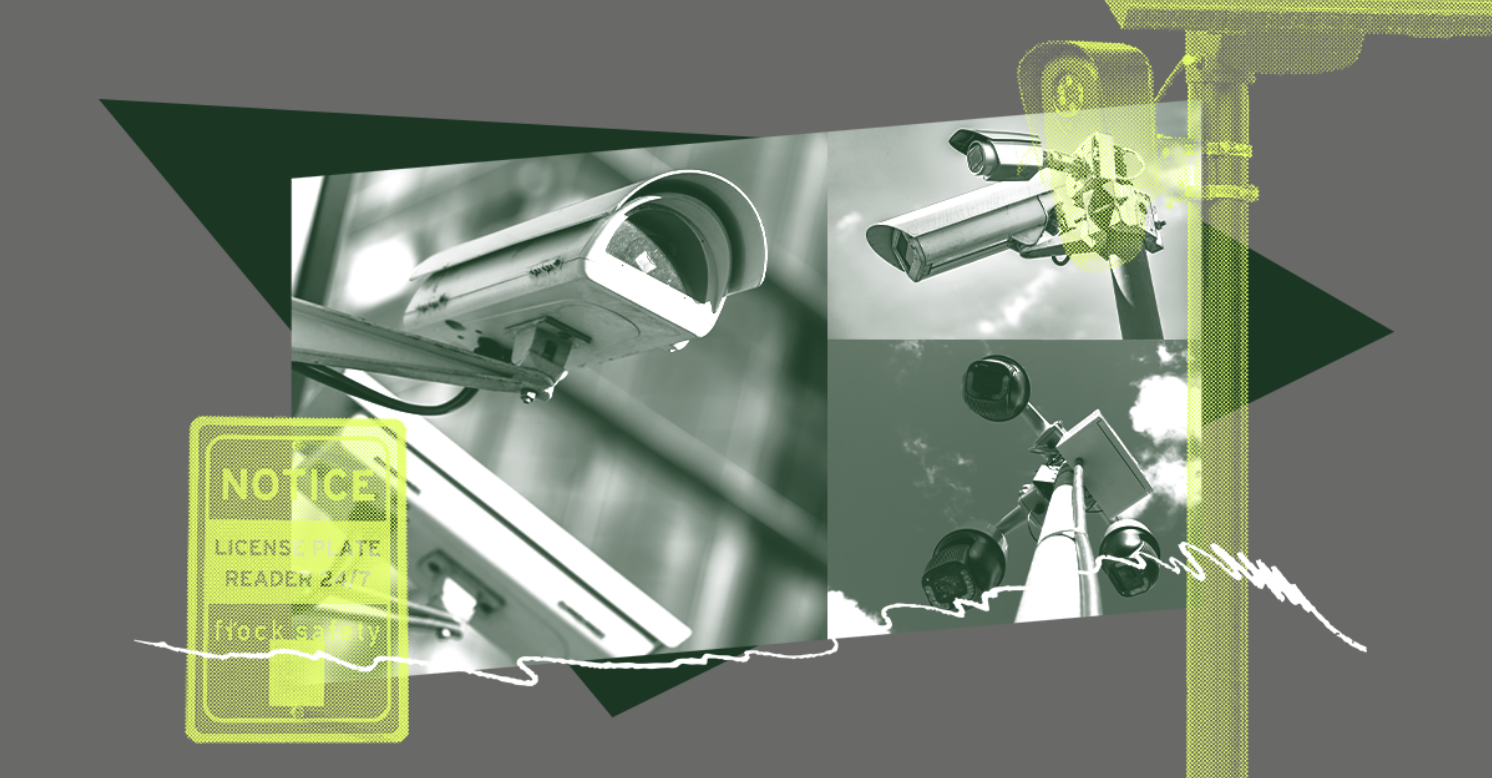
- Require any public or private entity operating an ALPR system to post signage informing drivers that an ALPR system is in use and their data is being captured.
- Prevent any person or entity from selling, transferring, or sharing personal data collected by an ALPR system without affirmative consent or a judicial warrant.