
Prisoner Rights
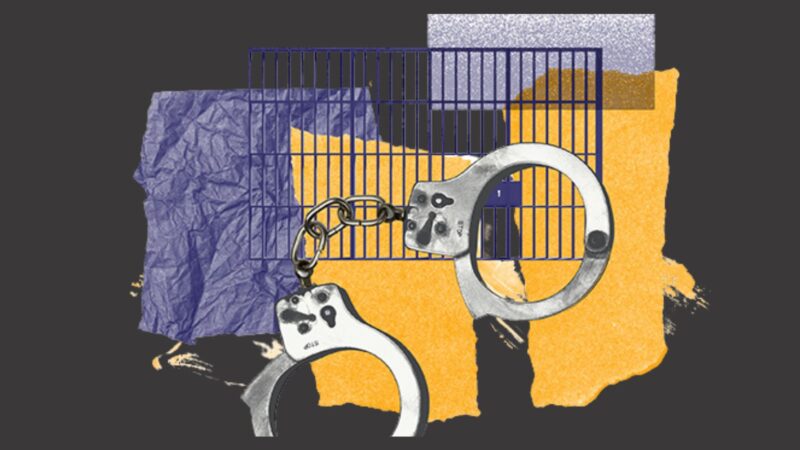
The population in American prisons and jails has tripled in the past 15 years. Prison facilities are overcrowded; medical systems overwhelmed; work, education, and treatment programs are inadequate; and prisoner idleness and stress has lead to greater levels of violence within our criminal justice system. The ACLU of Minnesota has fought and continues to fight these conditions through successful litigation on behalf of prisoners.
SOLITARY CONFINEMENT
Across the country, states are waking up to the fact that we must address our overreliance on solitary confinement. Long-term isolation costs too much, does nothing to rehabilitate prisoners, and exacerbates mental illness - or even causes it in prisoners who were healthy when they entered solitary. Officials in some states that formerly relied heavily on solitary confinement are now realizing that they should use public resources on proven policies that promote safe communities and fair treatment, and are successfully reducing the use of solitary - at the same time saving their states millions and reducing violence in the prisons. It's time for more states, and the federal Bureau of Prisons, to follow suit.
Over the last two decades corrections systems have increasingly relied on solitary confinement as a prison management tool – even building entire institutions called “supermax prisons” where prisoners are held in conditions of extreme isolation, sometimes for years or decades. But solitary confinement jeopardizes our public safety, is fundamentally inhumane and wastes taxpayer dollars. We must insist on humane and more cost-effective methods of punishment and prison management.
MEDICAL AND MENTAL HEALTH CARE
Each day, men, women, and children behind bars suffer needlessly from lack of access to adequate medical and mental health care. Chronic illnesses go untreated, emergencies are ignored, and patients with serious mental illness fail to receive necessary care. For some patients, poor medical care turns a minor sentence into a death sentence.
The failure to provide prisoners with access to needed health care too often results in tragedy. It also violates the U.S. Constitution. Nearly forty years ago, the U.S. Supreme Court ruled in Estelle v. Gamble that ignoring a prisoner’s serious medical needs can amount to cruel and unusual punishment, noting that “[a]n inmate must rely on prison authorities to treat his medical needs; if the authorities fail to do so, those needs will not be met. In the worst cases, such a failure may actually produce physical torture or a lingering death[.] … In less serious cases, denial of medical care may result in pain and suffering which no one suggests would serve any penological purpose.”
The overwhelming majority of people behind bars will someday be released. Providing prisoners with care today means having healthier neighbors and communities tomorrow.
Cases, Campaigns & Legislation
Wagner and Jones v. MNDOC
Aaryana Malcolm et al. v. M. Starr et al.
Stay Informed
Sign up to be the first to hear about how to take action.
By completing this form, I agree to receive occasional emails per the terms of the ACLU’s privacy statement.
By completing this form, I agree to receive occasional emails per the terms of the ACLU’s privacy statement.