

Know Your Rights: K-12 Students
Last updated on May 07, 2024
Know Your Rights: K-12 Students
Learn about LGBTQ+ Student Rights
The Supreme Court has made clear that students don't lose their First Amendment rights at the schoolhouse gate -- but public schools do have more authority to regulate young people's speech at school than the government does in general to regulate people's speech in society.
When it comes to what you can say in school on your own behalf, schools cannot discipline you unless your speech is likely to cause a substantial disruption or interferes with the rights of others. For speech that appears to have the OK of the school — like a student play put on as part of a class — schools have more leeway. But any regulation must still be reasonably related to a legitimate educational interest.
- If you go to a public school, you have a constitutional right to express your views and your identity.
- You have the right to speak out, hand out flyers and petitions, and wear expressive clothing in school — as long as you don’t disrupt the functioning of the school or violate school policies (such as rules about when and where you can hand out flyers) that don’t hinge on the message expressed.
- What counts as “disruptive” will vary by context, but a school disagreeing with your position or thinking your speech is controversial or in “bad taste” is not enough to qualify. Courts have upheld students’ rights to wear things like an anti-war armband, an armband opposing the right to get an abortion, and a shirt supporting the LGBTQ+ community.
- If you participate in a walkout, schools can discipline you for missing class. But they can’t discipline you more harshly because of the message or the political nature of your action.
- Outside of school, you enjoy essentially the same rights to protest and speak out as anyone else. So you’re likely to be most protected if you peacefully organize, protest, and advocate for your views off campus and outside of school hours.
- Schools are prohibited from retaliatory action against a legal guardian or student who files a complaint based on discrimination.
- Outside of school, you enjoy essentially the same rights to protest and speak out as anyone else. This means you’re likely to be most protected if you organize, protest, and advocate for your views off campus and outside of school hours.
- You have the right to speak your mind on social media, and your school has the least authority to punish you for content you post off campus and outside of school hours that does not relate to school.
- Schools are prohibited from retaliatory action against a legal guardian or student who files a complaint based on discrimination.
Learn about LGBTQ+ Student Rights
The Supreme Court has made clear that students don't lose their First Amendment rights at the schoolhouse gate -- but public schools do have more authority to regulate young people's speech at school than the government does in general to regulate people's speech in society.
When it comes to what you can say in school on your own behalf, schools cannot discipline you unless your speech is likely to cause a substantial disruption or interferes with the rights of others. For speech that appears to have the OK of the school — like a student play put on as part of a class — schools have more leeway. But any regulation must still be reasonably related to a legitimate educational interest.
- If you go to a public school, you have a constitutional right to express your views and your identity.
- You have the right to speak out, hand out flyers and petitions, and wear expressive clothing in school — as long as you don’t disrupt the functioning of the school or violate school policies (such as rules about when and where you can hand out flyers) that don’t hinge on the message expressed.
- What counts as “disruptive” will vary by context, but a school disagreeing with your position or thinking your speech is controversial or in “bad taste” is not enough to qualify. Courts have upheld students’ rights to wear things like an anti-war armband, an armband opposing the right to get an abortion, and a shirt supporting the LGBTQ+ community.
- If you participate in a walkout, schools can discipline you for missing class. But they can’t discipline you more harshly because of the message or the political nature of your action.
- Outside of school, you enjoy essentially the same rights to protest and speak out as anyone else. So you’re likely to be most protected if you peacefully organize, protest, and advocate for your views off campus and outside of school hours.
- Schools are prohibited from retaliatory action against a legal guardian or student who files a complaint based on discrimination.
- Outside of school, you enjoy essentially the same rights to protest and speak out as anyone else. This means you’re likely to be most protected if you organize, protest, and advocate for your views off campus and outside of school hours.
- You have the right to speak your mind on social media, and your school has the least authority to punish you for content you post off campus and outside of school hours that does not relate to school.
- Schools are prohibited from retaliatory action against a legal guardian or student who files a complaint based on discrimination.
Dress Codes
Public schools cannot enforce dress codes for the purpose of censoring student viewpoints or political/religious ideals.
- Public schools cannot enforce dress codes for the purpose of censoring student viewpoints or political/religious ideals.
- Dress codes can’t treat genders differently or force students to conform to gender stereotypes. For example, your school can require that skirts must be a certain length, but not that some students can wear skirts and others can’t, based on the students’ sex or gender expression.
- Dress codes must also be enforced equally. For example, rules against “revealing” clothing shouldn’t be enforced only or disproportionately against girls. Rules also shouldn’t be enforced more harshly against certain groups of girls, such as transgender girls and/or Black, Indigenous, or girls of Color.
- Schools can have rules such as a dress code that have nothing to do with the message expressed. So, for example, a school can prohibit you from wearing hats, but it can’t prohibit you from wearing only pink pussycat hats or pro-NRA hats.

- Public schools cannot enforce dress codes for the purpose of censoring student viewpoints or political/religious ideals.
- Dress codes can’t treat genders differently or force students to conform to gender stereotypes. For example, your school can require that skirts must be a certain length, but not that some students can wear skirts and others can’t, based on the students’ sex or gender expression.
- Dress codes must also be enforced equally. For example, rules against “revealing” clothing shouldn’t be enforced only or disproportionately against girls. Rules also shouldn’t be enforced more harshly against certain groups of girls, such as transgender girls and/or Black, Indigenous, or girls of Color.
- Schools can have rules such as a dress code that have nothing to do with the message expressed. So, for example, a school can prohibit you from wearing hats, but it can’t prohibit you from wearing only pink pussycat hats or pro-NRA hats.
School Discipline Over Walkouts and Protests
Schools can't discipline you more harshly because of the message or the political nature of your action.
- Because the law in most places requires students to go to school, schools can discipline you for missing class. But schools cannot discipline you more harshly because of the message or the political nature of your action.
- The punishment you could face will vary by your state, school district, and school. If you’re planning to miss a class or two, look up the policy for unexcused absences for your school and school district. If you’re considering missing several days, read about truancy.
- You should be given the same right to make up work just as any other student who missed classes.
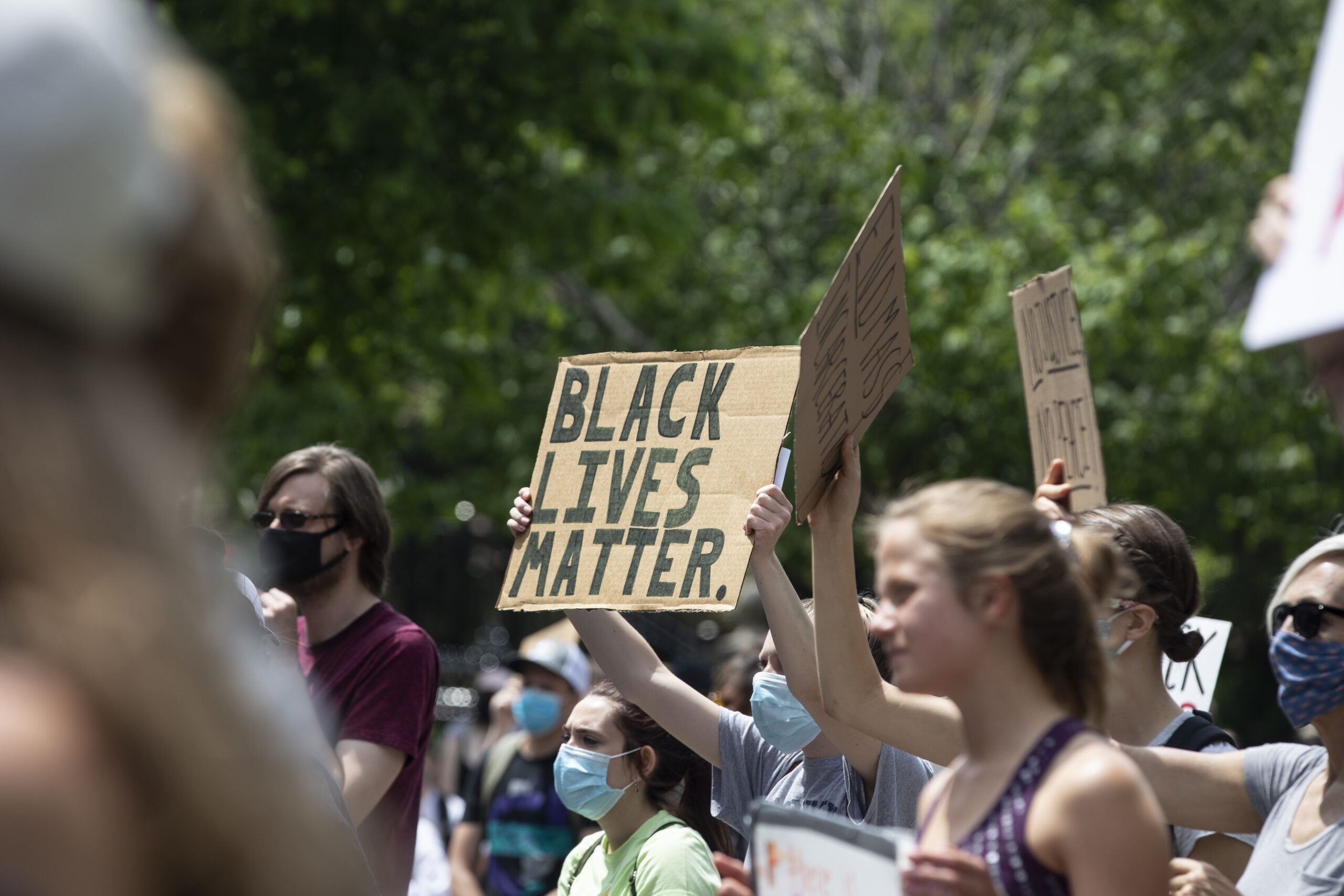
- Because the law in most places requires students to go to school, schools can discipline you for missing class. But schools cannot discipline you more harshly because of the message or the political nature of your action.
- The punishment you could face will vary by your state, school district, and school. If you’re planning to miss a class or two, look up the policy for unexcused absences for your school and school district. If you’re considering missing several days, read about truancy.
- You should be given the same right to make up work just as any other student who missed classes.
Law Enforcement
If you are stopped by a police officer or arrested, stay calm.
- You are not responsible for de-escalating police.
- If you are stopped by a police officer at your school or arrested, stay calm. Don't argue, resist, run away, or otherwise interfere with the officer. Ask if you’re free to leave. If the answer is yes, calmly and silently walk away from the officer. If the answer is no:
- You have the right to remain silent. You also have the right to refuse to write or sign a statement. But if you waive these rights, anything you say, write, or sign can be used against you.
- If you choose to make a statement, ask to have a lawyer, parent, or guardian present before you are questioned.
- You can refuse to give your consent to be searched by the police. This may not stop the search, but this is the best way to protect your rights if you end up in court.
- Don’t consent to a phone search; police generally need a warrant to search your phone.
- No police officer or school employee has the authority to strip-search you.
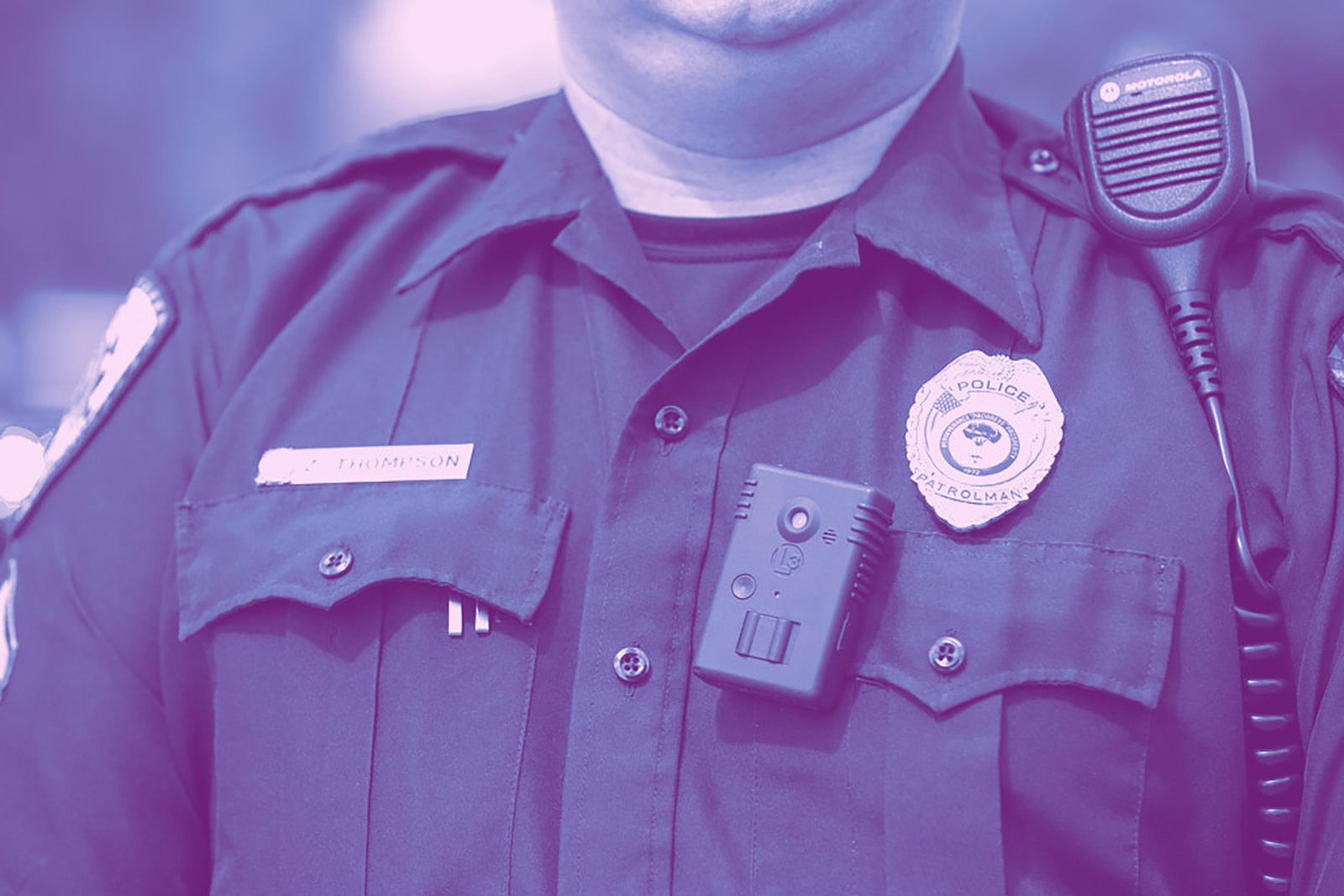
- You are not responsible for de-escalating police.
- If you are stopped by a police officer at your school or arrested, stay calm. Don't argue, resist, run away, or otherwise interfere with the officer. Ask if you’re free to leave. If the answer is yes, calmly and silently walk away from the officer. If the answer is no:
- You have the right to remain silent. You also have the right to refuse to write or sign a statement. But if you waive these rights, anything you say, write, or sign can be used against you.
- If you choose to make a statement, ask to have a lawyer, parent, or guardian present before you are questioned.
- You can refuse to give your consent to be searched by the police. This may not stop the search, but this is the best way to protect your rights if you end up in court.
- Don’t consent to a phone search; police generally need a warrant to search your phone.
- No police officer or school employee has the authority to strip-search you.
Outside of School
If you are under the age of 18, you can't move away from home unless your legal guardian agrees to it, you join the military, or the court lets you live on your own.
- If you are under the age of 18, you cannot move away from home unless your legal guardians agree to it, you join the military, or a court lets you live on your own.
- If your legal guardians agreed to let you live on your own before, they can change their minds – unless you have a court order saying you can live away from them. If you don’t go back, they can start a runaway case in court to get you back home.
- If you fear you will be hurt or neglected at home, tell the police or a county child protection worker. You can ask for a court order to let you live with someone else or on your own. You can also call the Youth Law Project at (612) 332-1441 or email them at youthlawproject@mylegalaid.org.
- If you are living away from your legal guardians, with their permission or not, and you take care of your own finances, you can get medical, dental, and mental health services. The doctor can treat you even if you don’t have your legal guardians’ signature on the forms.
- Legal guardians can use “reasonable and moderate physical discipline” as long as it doesn’t cause injury. A legal guardians can’t throw, kick, burn, bite or cut, or strike a child with a closed fist. Legal guardians can make and enforce reasonable rules.
- You must go to school if you are 17 or younger. If you skip school, you can be charged with truancy in Juvenile Court. Your school may expel you if you skip over 15 days in a year.
It is illegal for a legal guardian to:
- Use or threaten unreasonable force or cruel discipline
- Not give a child needed food, clothes, shelter, health care, or supervision proper to the child’s age
- Knowingly allow physical or sexual abuse of a child
- Let a child be in a harmful situation on purpose
- Knowingly let their child be where anyone sells or has illegal drugs
- Let their child live in a harmful or dangerous place
- Abandon their child

- If you are under the age of 18, you cannot move away from home unless your legal guardians agree to it, you join the military, or a court lets you live on your own.
- If your legal guardians agreed to let you live on your own before, they can change their minds – unless you have a court order saying you can live away from them. If you don’t go back, they can start a runaway case in court to get you back home.
- If you fear you will be hurt or neglected at home, tell the police or a county child protection worker. You can ask for a court order to let you live with someone else or on your own. You can also call the Youth Law Project at (612) 332-1441 or email them at youthlawproject@mylegalaid.org.
- If you are living away from your legal guardians, with their permission or not, and you take care of your own finances, you can get medical, dental, and mental health services. The doctor can treat you even if you don’t have your legal guardians’ signature on the forms.
- Legal guardians can use “reasonable and moderate physical discipline” as long as it doesn’t cause injury. A legal guardians can’t throw, kick, burn, bite or cut, or strike a child with a closed fist. Legal guardians can make and enforce reasonable rules.
- You must go to school if you are 17 or younger. If you skip school, you can be charged with truancy in Juvenile Court. Your school may expel you if you skip over 15 days in a year.
It is illegal for a legal guardian to:
- Use or threaten unreasonable force or cruel discipline
- Not give a child needed food, clothes, shelter, health care, or supervision proper to the child’s age
- Knowingly allow physical or sexual abuse of a child
- Let a child be in a harmful situation on purpose
- Knowingly let their child be where anyone sells or has illegal drugs
- Let their child live in a harmful or dangerous place
- Abandon their child